




Inside Widell + Boschetti's Short Hills Project

When Widell + Boschetti reached out about their Short Hills project, we knew it was going to be special. The home, recently featured in Luxe Magazine's January issue, is woven with pieces from LES: work from our artists, objects from our collection, all finding their place in rooms that break a few rules.
The project itself is full of bold choices. The dining room isn't really a dining room. It was designed to feel like a hotel restaurant, shaped around the client's Indian heritage and a more fluid style of gathering. The palette runs heavy on sunset purples and pinks. A custom light fixture in the foyer came from a collaboration with an artist, born from a shared obsession with another piece.
We love seeing where our pieces end up. So much of what we do centers on the objects themselves, the artists, the making. But watching them settle into a real home, styled alongside books and family life, is a different kind of satisfaction. We sat down with Barette and Christina to talk about the project and how it all came together.

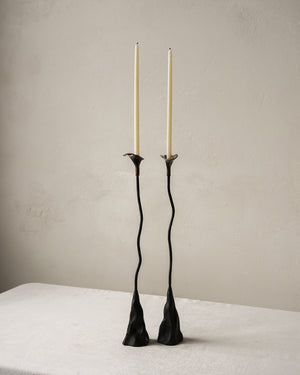
 Manzanitas |
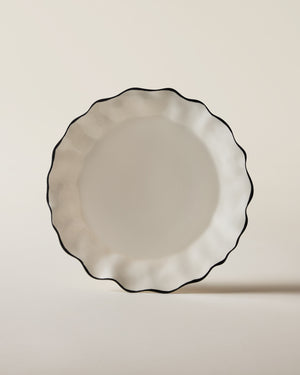
 The Flutter |
Tell us how this project came to be. We want to hear about those early conversations and how the vision took shape.
The project began during a very challenging moment, in the midst of COVID, when the client came to us wanting to reimagine her home as a place of comfort and possibility. She envisioned a sense of quiet luxury layered with color, spaces that would inspire creativity for her children, and rooms designed for gathering and hosting. Those early conversations were deeply rooted in how she lives, and that guided every decision, allowing each room to tell its own story while still feeling cozy, welcoming, and connected.

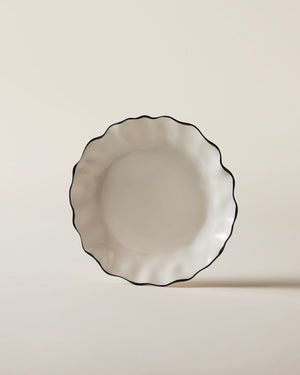
 Isolated n.24 |
 Isolated n.15 |
This home was just featured in Luxe's January issue as part of the 2026 design conversation. When you look at where interiors are headed this year, where does a project like this sit?
We're seeing a real return to color in interiors, along with a move away from rigid, traditional layouts. Projects like this sit right in that shift: embracing richer tones, layered materials, and rooms that feel personal rather than prescriptive. Especially in spaces like the dining room, there's more freedom now to break from convention and design for how people actually live, gather, and entertain. It's less about following rules and more about creating spaces that feel collected, expressive, and lived-in.
You brought in work from independent makers and smaller studios alongside bigger names. What draws you to artisan pieces?
We're drawn to artisan pieces because they feel truly one of a kind. Working with independent makers allows the home to feel more curated and personal, less like it was sourced all at once and more like it was thoughtfully collected over time. For clients, it's very similar to buying art: it's subjective, emotional, and deeply personal, which ultimately gives the space its soul.

 Smooth Torso |
 Inspiring Family Homes |
We'd love to hear the story of how you found LES Collection and what drew you to our pieces for this home.
We discovered LES Collection through Lauren's home online and immediately fell in love. The pieces and thoughtful details felt incredibly collected and curated, the kind of space you instantly want to live in. What draws us to LES is that the work feels special and one of a kind, yet there's also such a breadth to the collection. There's truly something for every client, while still maintaining a strong point of view and sense of individuality.

The dining room is such a departure from what you'd expect in a home like this. Can you walk us through the concept and how it came together?
The dining room was intentionally designed as a departure from the expected. The client wanted the space to evoke the feeling of one of her favorite hotel restaurants: layered, atmospheric, and designed for lingering rather than formal sit-down meals. Drawing from her Indian heritage, the room was shaped around a more fluid style of gathering, one that prioritizes connection, comfort, and shared experience over tradition. That cultural influence really guided the layout and helped the space feel both personal and unexpected.

 Mystic Candle |
 The Flow Wall Sconce |
And then there are rooms that feel like worlds of their own, tucked away from the more public spaces. How do you approach creating those quieter moments within a larger floor plan?
Creating those quieter moments within a larger floor plan is definitely a challenge. It always starts with thoughtful space planning and layout, establishing a sense of flow while carving out moments of pause. From there, we build through layering and furnishings, looking for that one anchoring element in each room that grounds the space and gives it its own identity.

 Feels Like Home |
 No. 8 Sculptural Lamp |
Color plays a major role throughout, particularly those sunset tones and all that purple. How did you develop the palette, and how do you keep something that bold feeling grounded?
The palette was very much driven by the client. She was incredibly thoughtful about her love for color and the specific tones she wanted to see throughout the home. From there, we expanded on that vision and pushed it a bit further, layering in sunset hues and purples in a way that felt cohesive and expressive. To keep it grounded, we balanced those bold moments with considered materials, texture, and restraint, allowing the color to feel immersive rather than overwhelming.

 Swirl Moon |
 Alghero Onyx Bowl |
When you're styling a space, how do you think about layering in those final objects and details?
When we're styling a space, the goal is always to strike a balance between finished and livable. We want everything to feel intentional and polished, but never precious. The final layers should feel real and approachable as objects that invite use and connection, so the home feels relatable and lived-in rather than overly styled.

Is there a favorite corner or moment in this home? Something that came together in a way that felt particularly special?
The foyer light is a particularly special moment for us. It grew out of a shared love, both ours and the client's, extracted from another piece by the same artist, but the space called for something entirely custom. Being able to collaborate closely with the maker to design a fixture specifically for this home was incredibly rewarding, and it became a real expression of trust in the vision. That level of collaboration is always a proud moment.

Projects like this remind us why we do what we do. When a Canoa Lab vessel lands on a shelf next to family photos and stacked books, or when sculptural ceramics catch the light in a room designed for gathering, that's when objects stop being objects and start becoming part of the story.
It's also a project that feels very 2026 to us: the return to color, the move away from rigid layouts, rooms shaped around how people actually live rather than how they're supposed to. We're always excited to see that part of the journey, when the pieces leave our hands and find their place in someone's home. Thanks to Barette and Christina for sharing their process with us.